Have you wondered what renovations increase home value the most? The short answer is that the best projects usually do two things at once. They make your home nicer to live in now, and they add value when you are selling later. This guide looks at home renovations that tend to increase the value of a property, where the money often goes, and what buyers notice first.
Start With The Ceiling Price And Your Local Market
Before you spend, it is important to understand your property’s ceiling price. This is the highest price buyers will pay for a home on your street before they decide they can buy a similar house in a better area for the same money. Your ceiling price is shaped by recent sale prices, plus an opinion from a valuer or estate agent based on demand, condition, and features.
If your home is already near that ceiling, expensive work may not increase the value by much. In that case, focus on cost-effective improvements that help the home feel fresh, well-maintained, and easier to buy. If you are below the ceiling, the right upgrades can make a big difference to the value of your home and help it stand out from the rest.
Plan The Project, The Budget, And The Time
Renovating is an investment, so it helps to plan like one. Think about what you want to achieve, how long you plan to stay, and what potential buyers in your area expect. Some projects pay back quickly at sale time, while others are more of a long-term choice that improves everyday living.
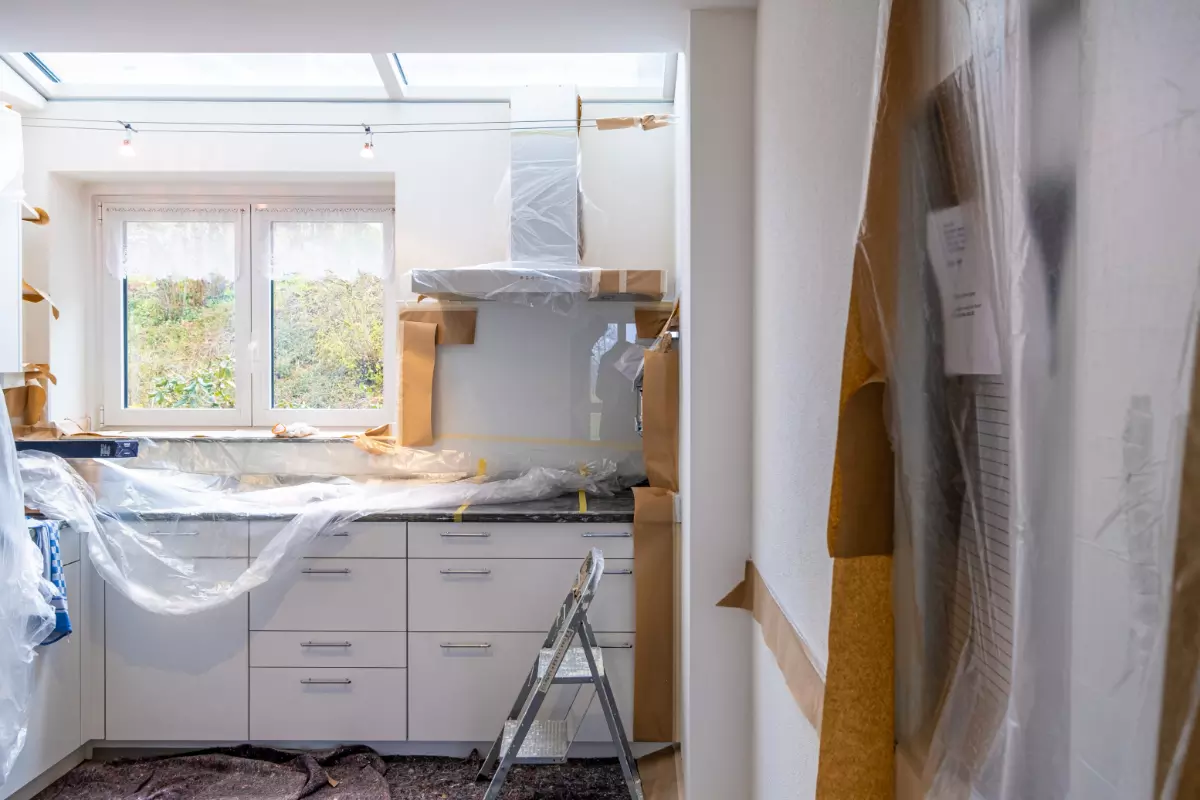
Make sure you set a clear budget and include extra costs for surprises, because older homes can hide problems behind walls, flooring, and outdated wiring or plumbing. It also helps to plan the order of work. For example, if you are replacing windows, changing doors, or knocking through for open plan living, do that before decorating and fitting new flooring.
Kitchens That Add The Most Value
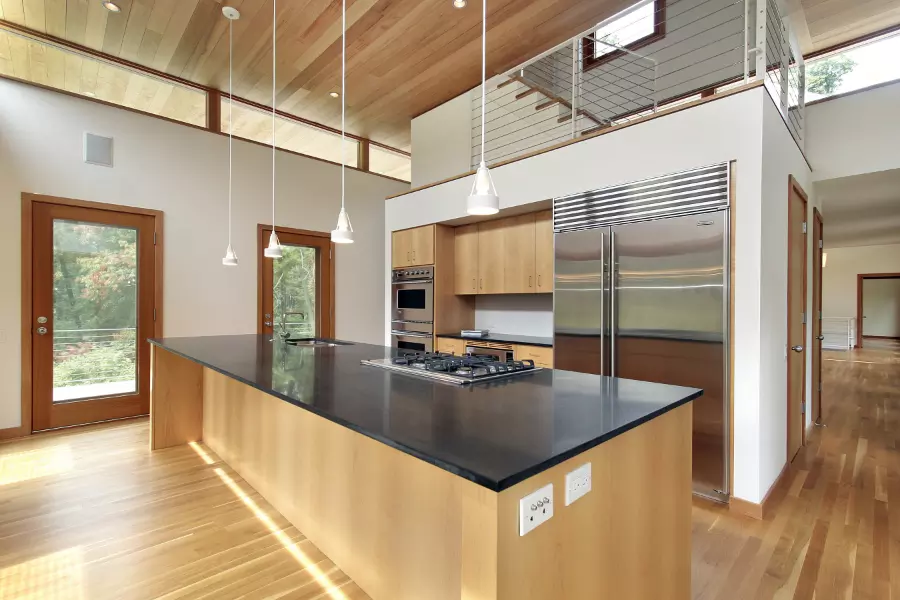
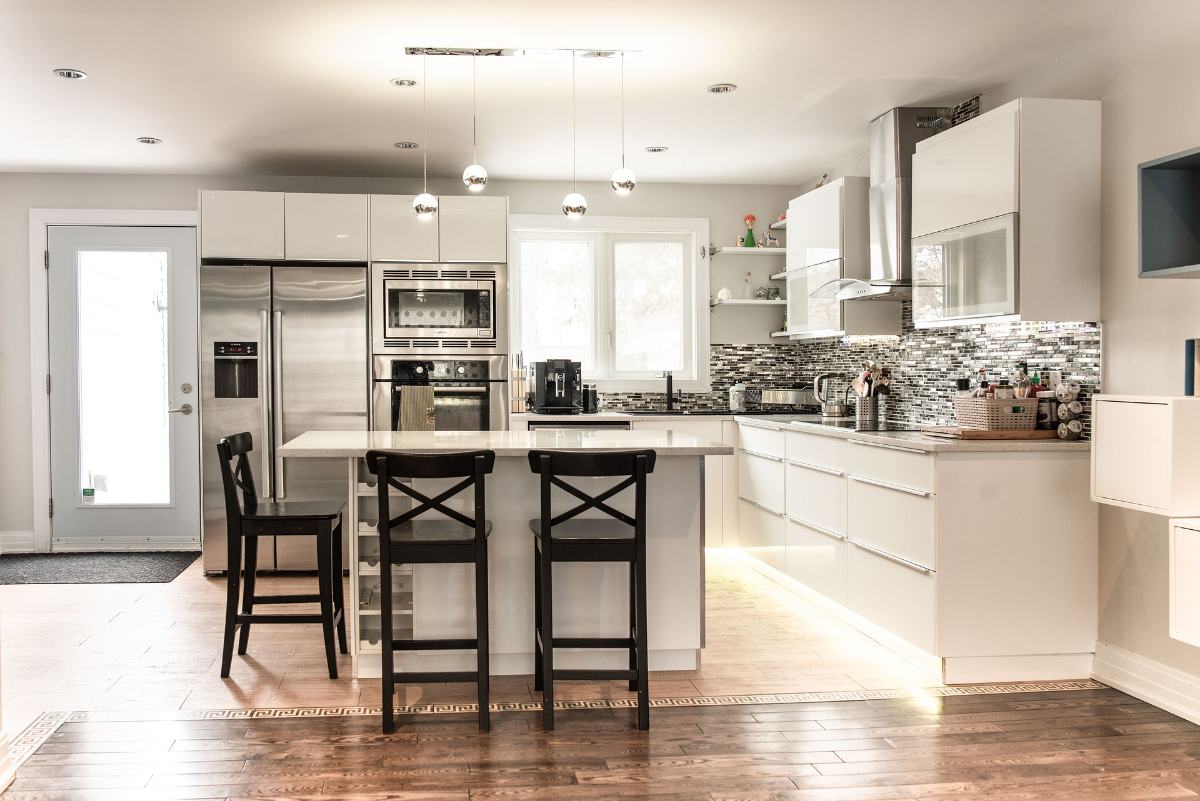
For many buyers, the kitchen is the heart of the home. A new kitchen can add value, but the return depends on the house type, the street, and the price bracket. A full refit can be expensive, so weigh the costs carefully and think about what counts as the best return.
A smart approach is to keep what works and upgrade what dates the space. Replacing worktops, cupboard doors, taps, lighting, and splashbacks can transform the look without the cost of moving pipes and walls. If you do choose a full new kitchen, keep the style simple and practical so more people like it. Good storage, quality finishes, and enough work surface are features buyers notice.
If space allows, open plan layouts are popular home choices. Removing a wall between kitchens and dining or living areas can create a brighter, more social living space for families and entertaining. Just make sure any structural changes are safe and checked properly.
Bathrooms And Extra Bathrooms
Bathrooms are another area where home improvements can increase the value. A clean, modern bathroom helps a home feel looked after, and adding an extra bathroom can be worth it, especially for family homes with more than one bedroom.
If you already have enough bathrooms, focus on making the existing ones feel better. New flooring, updated tiles, a modern shower, and better lighting can make a tired room feel fresh. Underfloor heating and good ventilation can add comfort and reduce mould, which leaves a good impression during viewings.
If you have space, adding an en suite can appeal to buyers who want privacy. In some homes, a shower room can fit where a full bathroom cannot, which can be a cost-effective way of adding value to your property.
Create More Space With Conversions And Extensions
Adding square footage often adds the most value, because it changes what the home can offer. More living space, a bigger kitchen, or an extra bedroom can lift your home’s value, as long as the work matches what buyers in your area want.
A loft conversion is one of the most common options. A well-planned loft conversion can create a new bedroom, a home office, or a guest space. Costs vary a lot depending on the roof shape, access, and whether you add a dormer. The average cost is different across England and can be higher in London, so get quotes early and compare options.
Garage conversions can also work well, especially where parking is still practical. Before converting, think about street parking. If your area has limited parking and buyers expect a garage, removing it could lower the value. If parking is easy and the garage is mostly used for storage, converting it into a room can add useful living space.
Extensions can be great, but they can also be expensive, and the return on investment (ROI) depends on your local market. A single-storey extension can improve the kitchen or add a family room. A double-storey extension can add bedrooms and bathrooms. These projects often need planning permission and must meet building rules, so factor in time, design fees, and the disruption of building work.

Conservatories And Year-Round Space
A conservatory can be a cheaper way to add space, but buyers tend to prefer rooms that feel usable all year. If you choose a conservatory, think about insulation, heating, and how it connects to the rest of the house. A bright room that feels like part of the home can add value to your home more than a space that is too hot in summer and too cold in winter.
Energy Efficiency And Lower Energy Bills
Energy efficiency matters more each year because buyers look at comfort and energy bills. Some improvements are low-cost, like loft insulation, draught proofing, and sealing gaps around doors and windows. Other upgrades, like replacing old boilers, adding better glazing, or installing renewables, cost more money up front.
These changes may not always give the biggest sale boost in every area, but they can still increase the value by making the home cheaper to run, warmer, and more appealing. They also reduce future repair risk, which can help buyers feel confident when buying.
Kerb Appeal, Gardens, And First Impressions
First impressions matter. Kerb appeal starts before someone steps inside. A tidy front garden, a clean path, and a smart front door can make the property feel cared for. Replacing an old front door, updating house numbers, and improving outdoor lighting can be simple changes that add value without big costs.
Gardens can also add value, especially if they feel easy to use. Landscaping does not need to be fancy. Many buyers prefer a neat, low-effort space rather than a garden that takes a lot of time and money to maintain. A level lawn, clear seating areas, and practical planting can help. If you add a patio, think about durable materials and drainage, and create zones for relaxing or entertaining.
Do not forget privacy. Fences, walls, and planting can help, but avoid blocking light. Lighting in the garden can make evening viewings more attractive and can make the space feel safer.

Windows, Doors, And Lighting Inside The Home
Replacing old windows and upgrading doors can improve warmth, noise levels, and security. These upgrades also help a home look modern from the outside and inside. Buyers often notice poor-quality windows quickly, so improving them can help the home feel well-maintained.
Inside, lighting is a surprisingly strong home improvement. Bright hallways, warm kitchen lighting, and well-placed lights in bathrooms can make rooms feel larger and cleaner. This is especially important in homes with smaller areas or limited natural light.
Flooring That Looks Clean And Consistent
Flooring affects the feel of the whole house. Worn carpets, mismatched rooms, or damaged boards can make a home feel outdated. New flooring can be a cost-effective way to improve the look and help buyers imagine moving in. Aim for a consistent style that suits the home, and choose hard-wearing finishes in busy spaces like kitchens, hallways, and living areas.
Decorating That Makes The Home Feel Fresh
Decorating is one of the simplest projects and often gives a good result for the money you spend. Neutral paint, tidy woodwork, and small repairs can make rooms feel clean and ready. This can be especially helpful before a sale because photos matter, and people decide quickly whether they want to view.
Avoid very personal colours or bold patterns if you are renovating mainly to sell. A fresh, simple finish helps more buyers see the home as their place.
Smart Home Features And Practical Extras
Smart heating, security, and lighting can be attractive, but only if they are easy to use. If you add smart features, keep instructions simple and make sure systems still work manually. Think about what stays with the property when you sell, so buyers are not left with gaps or extra costs.
Other practical extras can also help, like better storage, built-in cupboards, and a dedicated home office. After recent changes in how people work, a quiet work area can be a real benefit, even if it is a small converted corner rather than a full room.

Rules, Permissions, And Doing The Job Properly
Some renovations are regulated, and you may need planning permission or other approvals. Loft conversions, extensions, structural changes, and certain window and door replacements can have rules. Make sure you use authorised professionals where needed, keep paperwork, and check that the work meets current standards. This protects your rights and helps later when you sell, because buyers and their solicitors often ask for evidence.
If you are using finance to pay for work, remember that lending and credit products are often described as authorised and regulated by the Financial Conduct Authority, and some firms may also be registered in England. Always check the details before you sign anything.
How To Choose The Best Renovation For Your Home
The best renovation is the one that fits your home, your street, and your plans. It depends on your budget, the condition of the property, and what buyers in your area expect. As a simple guide, the projects that often add value are the ones that improve kitchens and bathrooms, add useful living space, and make the home feel bright, warm, and well-maintained.
When thinking about return on investment, look at local sale prices, speak to an estate agent, and compare your home to similar properties nearby. That will help you find the upgrades that could add the most value, avoid overspending, and increase the value in a way that makes sense for your home’s value and your future plans.
Are you thinking of extending a home renovation in Cannock, Stoke-on-Trent or Staffordshire? Follow the link below to find out more about building renovations near you.